Rebuild, Repair, Reimagine: Circular Interiors in Everyday Life

Today we explore the circular economy of interiors, focusing on the everyday magic of spare parts, community repair cafés, and shared tool libraries. Expect practical stories, proven tactics, and warm encouragement to keep furniture, fixtures, and cherished rooms in service longer, with less waste and more neighborly connection.

Why Circular Interiors Matter

From the couch that squeaks to the cabinet hinge that snaps, our interiors quietly accumulate waste and lost value. By repairing, reusing, and sharing tools, we protect resources, cut emissions embedded in materials, and keep money circulating locally. The result is cleaner homes, resilient neighborhoods, and a design culture that rewards durability over disposability while nurturing hands-on confidence.

Finding Spare Parts That Fit

Missing caps, worn casters, or obsolete hinges need not doom a piece. Learn how to identify manufacturers, measure threads, read part codes, and cross-reference equivalents from open catalogs. Sourcing compatible components restores performance elegantly, often for cents on the dollar, while keeping sentimental favorites and professional spaces working smoothly.

Repair Cafés: People, Coffee, and Second Chances

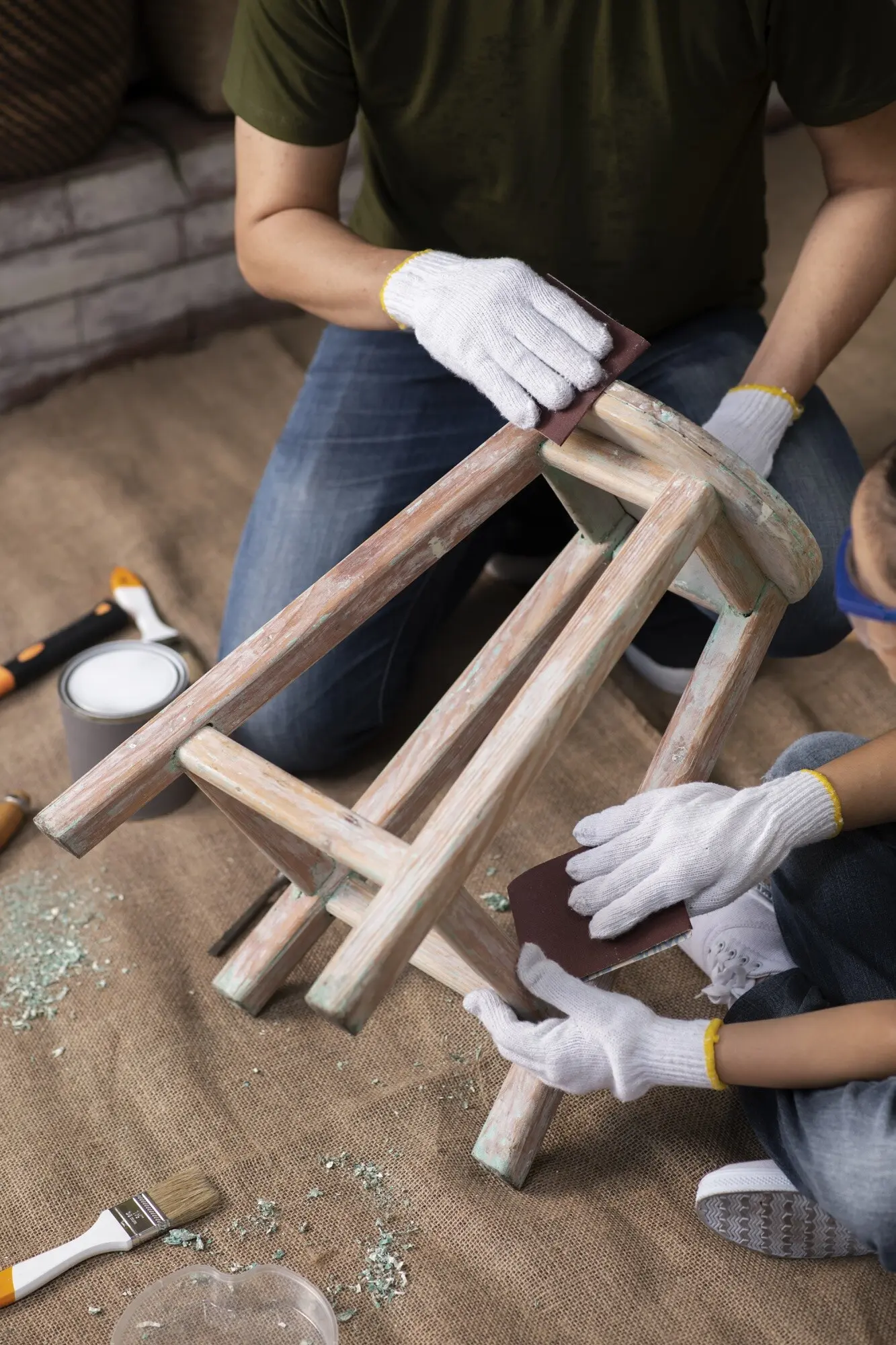
In a friendly hall with power strips and pastries, volunteers gather to revive lamps, tables, vacuums, and memories. You bring a wobbly stool; you leave with sturdier legs and new friends. These events blend learning with laughter, reducing waste while celebrating patience, curiosity, and practical generosity.

What to bring and how it works

Pack the faulty item, accessories, manuals, and replacement bits if you have them. Sign in, share symptoms, and sit alongside a fixer who explains every step. You leave empowered to maintain similar objects at home and confident enough to help someone else next time.

Common fixes you will witness

Loose chair rails, seized casters, torn lamp cords, failing drawer slides, and stripped screws recover in minutes with the right technique. Expect lessons on adhesives, pilot holes, strain reliefs, and clamps. The sheer variety builds intuition, making future breakdowns feel manageable rather than daunting or costly.


How memberships and reservations function

Most libraries use sliding fees, deposits, and clear borrowing periods. You reserve online, collect on time, and return clean. Late policies protect fairness, while orientation sessions demonstrate safe handling. The structure builds trust, ensuring equipment circulates smoothly and neighbors dependably finish repairs without unnecessary cost.

Core kits for interior maintenance

From stud finders and levels to upholstery needles and staple guns, shared shelves hold exactly what apartments and studios require. Add clamps, hex key sets, soldering irons, and safety goggles. With these tools, squeaks quiet, shelves align, and fixtures secure, bringing comfort back without replacements.

Design for Disassembly and Longevity

Fasteners that forgive and forget

Bolts, threaded inserts, and cam locks welcome repeat assembly without chewing fibers or splitting edges. Avoid over-gluing structural joints; reserve adhesives for surfaces or soft trims. Clear access panels and labeled hardware bags transform future repairs from dreaded puzzles into straightforward, satisfying sessions on a calm afternoon.

Standard dimensions save headaches

Stick with common bit sizes, shelf pin diameters, and board thicknesses available at local depots. When components match typical specifications, replacements arrive quickly and fit correctly. The payoff appears years later, when a single bracket or leg swap prevents a costly, disruptive renovation spiral.

Material honesty guides upgrades

Finishes that can be refinished, fabrics with accessible zippers, and wood instead of mystery composites invite gentle renewal. Transparency about sources and repair paths builds trust. When labels describe care and parts, households make wiser decisions, extending usefulness across moves, tastes, and changing household needs.

Business Models That Reward Care

When makers and vendors profit from longevity, everyone wins. Imagine deposits on hardware returned for credit, subscription seating with guaranteed repairs, and warranties that encourage maintenance rather than disposal. Service networks replace sales pressure, aligning incentives with durability, customer loyalty, and measurable reductions in material throughput.

A quick interior resilience audit

List wobbles, squeaks, flickers, and chips. Note missing caps, jammed drawers, and loose brackets. Estimate time, tools, and parts. Prioritize safety and high-use items first. Celebrate small victories, because each repair strengthens confidence and reduces the urge to replace out of impatience or advertising pressure.

Build a humble spare-parts cache

Keep a divided box with felt pads, screws, anchors, washers, cord grips, sliders, and extra bulbs. Add labeled zip bags and a small notebook of dimensions and sources. This tiny archive prevents emergency trips, enables neighborly lending, and turns future fixes into peaceful, well-prepared afternoons.
Darizeratunolumalorivaro
Privacy Overview

This website uses cookies so that we can provide you with the best user experience possible. Cookie information is stored in your browser and performs functions such as recognising you when you return to our website and helping our team to understand which sections of the website you find most interesting and useful.